
Choosing between premium and economy postage options is a critical decision for any growing organization. In the current market, the cost spread between standard marketing mail and first-class postage remains a significant factor in campaign budgeting. While standard postage offers immediate upfront savings, first-class mail provides essential delivery guarantees, address forwarding, and automatic return services that protect the integrity of your customer database. When analyzing first class vs marketing mail, the choice is not just about the cost of the stamp, but about the long-term value of your data hygiene and customer response rates.
“We had a catalog campaign that cost us three dollars per piece to print, and the client wanted to use marketing mail to save twenty cents on postage. I showed them that fifteen percent of their mailing list had moved, meaning fifteen hundred catalogs went straight to the landfill without being forwarded. Spending that extra postage to guarantee address updates actually saved them thousands of dollars in wasted print materials,” says Sarah Trent, a veteran campaign planner.
Understanding the Fundamentals of First Class vs Marketing Mail
To establish an effective outreach strategy, businesses must understand the mechanical differences between these two mailing classes. First-Class Mail is treated as premium correspondence by the United States Postal Service. It is processed with high priority, typically reaching its destination within one to five business days. More importantly, it includes ancillary services like free forwarding and returned mail processing at no additional charge. If a recipient has relocated, the USPS will automatically forward the mailpiece or return it to the sender with a correction sticker.
On the other hand, marketing mail (often referred to as standard mail) is designed for bulk distribution where delivery time is flexible. It is processed on a space-available basis, which can take anywhere from three to twenty-one days. If a marketing mail piece is undeliverable because the recipient moved, it is generally discarded by the postal service rather than forwarded or returned, unless the sender pays for specific address correction endorsements. For organizations managing high-value client lists, this lack of feedback can lead to database decay.
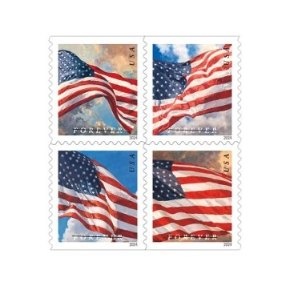
Best Deals on Forever Stamps


Analyzing the True Cost of Undeliverable Customer Mail
When businesses look strictly at the upfront postage costs, they often overlook the hidden expenses of returned or discarded mail. If a company spends money printing high-quality brochures only to have them recycled at a sorting facility due to outdated addresses, the actual cost per delivered piece rises dramatically. High-volume mailers must account for this waste when calculating their return on investment. Sourcing stamps in bulk from reliable platforms like Forever Stamp Store helps bridge the cost gap, allowing businesses to leverage first-class reliability at a more manageable price point.
For organizations that need to find local post office facilities or self-service kiosks to verify their mail dimensions, utilizing the official USPS Location Finder is a practical way to ensure compliance before dropping off a large batch. Ensuring that each piece meets the strict dimensional guidelines prevents unexpected postage-due delays and keeps the distribution pipeline moving smoothly.
| Postal Feature | First-Class Mail | Marketing Mail (Standard) |
|---|---|---|
| Postage Cost (per piece) | $0.82 (Forever Rate) | Typically lower bulk rates |
| Delivery Timeline | 1 to 5 business days | 3 to 21 business days |
| Forwarding & Return Services | Included at no extra cost | Unavailable unless endorsed |
| Recipient Perception | High priority, personal letter | Commercial circular or flyer |

How Sourcing Bulk Stamps Mitigates Postal Cost Hikes
With regular adjustments in postal rates, locking in postage costs has become a standard practice for savvy finance departments. The First-Class Forever stamp, priced at $0.82, represents a guaranteed service level regardless of future rate increases. By maintaining a healthy inventory of physical stamps, companies insulate their marketing budgets from sudden operational rate hikes. This approach turns postage from a volatile expense into a predictable logistical asset.
A B2B case study illustrates this math in action. Brickstone Realty, a regional real-estate firm, launched a neighborhood outreach campaign consisting of 10,000 seasonal postcards. They divided the campaign: mailing 5,000 cards via standard marketing mail and 5,000 cards via first-class mail using physical stamps. The first-class batch achieved a 40% higher response rate and returned 350 address updates, allowing the brokerage to clean their CRM database. The marketing mail batch, by contrast, returned zero address updates, leaving the firm unaware of which prospects had moved.
Selecting the Right Mail Class for Your Marketing Campaigns
Determining whether to use first-class or marketing mail depends on the primary objective of your campaign. If you are distributing time-sensitive invoices, legal notifications, or personalized invitations, first-class postage is mandatory to ensure prompt delivery and security. If you are conducting a massive cold acquisition campaign where the quality of the list is secondary to sheer volume, marketing mail may be the more economical choice.
Operational managers must weigh the cost of printing and list cleaning against the postage savings. By periodically running a first-class cleaning campaign, businesses can keep their mailing lists accurate while using standard options for the rest of the year. This hybrid approach optimizes the budget without sacrificing reach or list health.

USPS professional based in New York with extensive experience in postal operations. Certified by the Mail Systems Management Association and trained at the USPS Business Mail Academy, she shares reliable insights on Forever Stamps and safe mailing practices.